Archives

What’s your role in the Farmers’ Market?

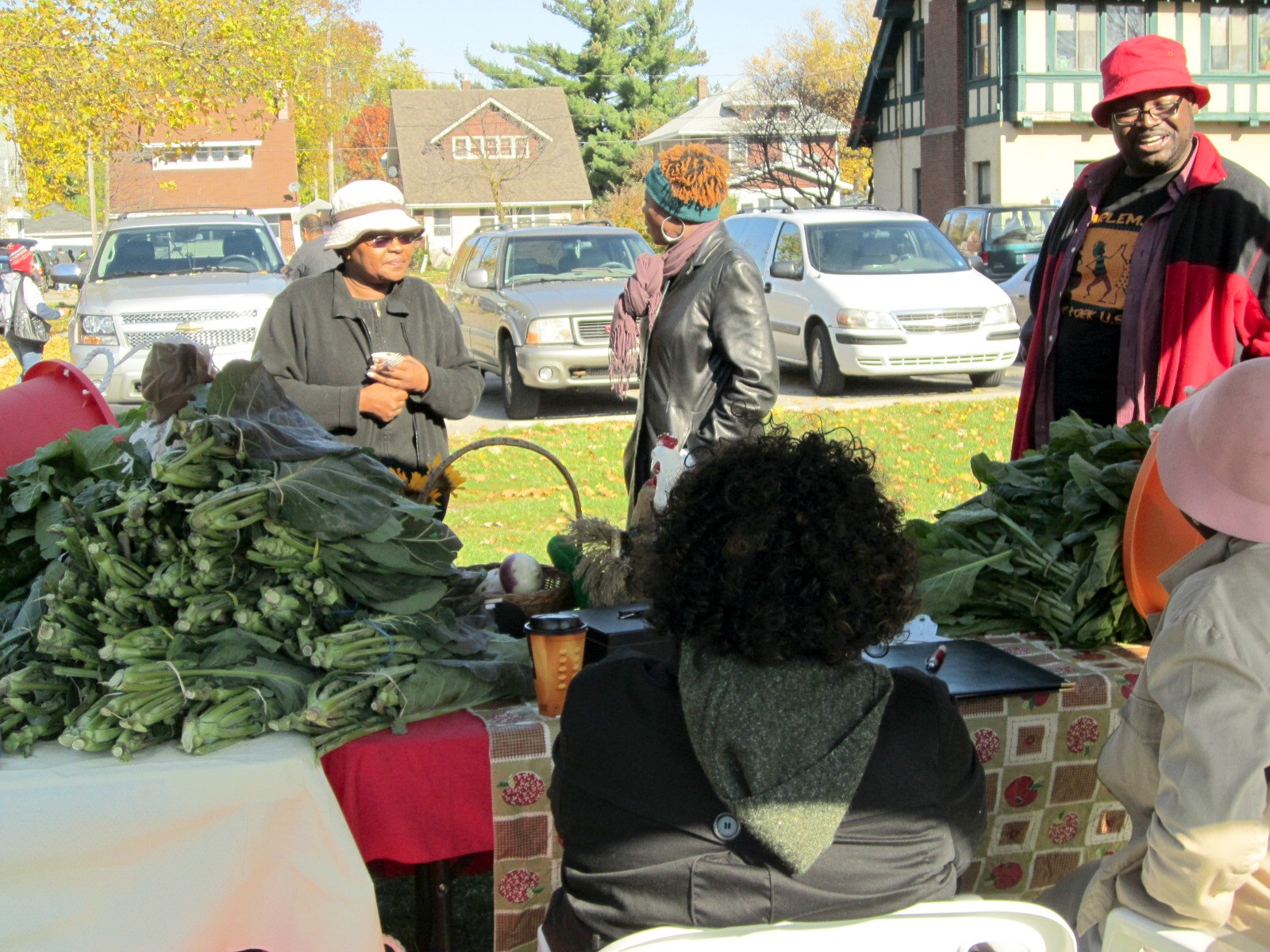
Did you have a chance to get out and support your community farmers’ market? This past season, the Southeast Area Farmers’ Market locations tallied more than 1,400 residents in attendance. These market patrons did more than go home with healthy produce, they created two vibrant community spaces where neighbors got to know each other, children discovered “real” food, hundreds attended educational activities and all ages joined in for a little exercise via the Cupid Shuffle.

You see, the Southeast Area Farmers’ Market is about more than doing business. While it is important that our local farmers and growers go home with money in their pockets, it’s even more important that community comes out and grows their own food power.

Food power is waking up healthier in the morning so you can do better at work and school. Food power is knowing that eating certain fresh fruits and vegetables can mean fewer asthma attacks or less arthritis pain. Food power is a pregnant mother providing her unborn child nourishment that keeps her baby in the womb until term while building his or her highly intelligent brain. Food power is saying no to the unhealthy foods that make you overweight, damage your heart or cause diabetes. Food power is saying yes to whole foods that empower you to live life on your own terms―without the burden of added medical expenses.

Dancercise at the Gerald R Ford market location -- The Cupid Shuffle!

Please support your Southeast Area Farmers Market. Do you have suggestions for how Our Kitchen Table can make the market a better experience? Tell us! Are there any whole foods that you would like us to make available next season? Let us know! You can email us at OKTable1@gmail.com or call 616-570-0218. Or, stop by a Community Potluck and Cook-in. The Southeast Area Farmer’s Market is sponsoring these one Friday evening each month at Gerald R Ford Middle School. (Check back for dates and times.)

15 food companies that serve you wood pulp

Reposted from The Street

The recent class-action lawsuit brought against Taco Bell raised questions about the quality of food many Americans eat each day.

Chief among those concerns is the use of cellulose (read: wood pulp), an extender whose use in a roster of food products, from crackers and ice creams to puddings and baked goods, is now being exposed. What you’re actually paying for — and consuming — may be surprising.

Cellulose is virgin wood pulp that has been processed and manufactured to different lengths for functionality, though use of it and its variant forms (cellulose gum, powdered cellulose, microcrystalline cellulose, etc.) is deemed safe for human consumption, according to the FDA, which regulates most food industry products. The government agency sets no limit on the amount of cellulose that can be used in food products meant for human consumption. The USDA, which regulates meats, has set a limit of 3.5% on the use of cellulose, since fiber in meat products cannot be recognized nutritionally.

“As commodity prices continue to rally and the cost of imported materials impacts earnings, we expect to see increasing use of surrogate products within food items. Cellulose is certainly in higher demand and we expect this to continue,” Michael A. Yoshikami, chief investment strategist at YCMNet Advisors, told TheStreet.

Manufacturers use cellulose in food as an extender, providing structure and reducing breakage, said Dan Inman, director of research and development at J. Rettenmaier USA, a company that supplies “organic” cellulose fibers for use in a variety of processed foods and meats meant for human and pet consumption, as well as for plastics, cleaning detergents, welding electrodes, pet litter, automotive brake pads, glue and reinforcing compounds, construction materials, roof coating, asphalt and even emulsion paints, among many other products.

Cellulose adds fiber to the food, which is good for people who do not get the recommended daily intake of fiber in their diets, Inman said. It also extends the shelf life of processed foods. Plus, cellulose’s water-absorbing properties can mimic fat, he said, allowing consumers to reduce their fat intake.

Perhaps most important to food processors is that cellulose is cheaper, he added, because “the fiber and water combination is less expensive than most other ingredients in the [food] product.”

Indeed, food producers save as much as 30% in ingredient costs by opting for cellulose as a filler or binder in processed foods, according to a source close to the processed food industry who spoke with TheStreet on the condition of anonymity.

Inman said that in his 30 years in the food science business, he’s seen “an amazing leap in terms of the applications of cellulose fiber and what you can do with it.” He said powdered cellulose has a bad reputation but that more of his customers are converting from things like oat or sugar cane fibers to cellulose because it is “snow white in color, bland and easy to work with.”

Most surprising, said Inman, is that he’s been able to remove as much as 50% of the fat from some cookies, biscuits, cakes and brownies by replacing it with powdered cellulose — but still end up with a very similar product in terms of taste and appearance.

“We’re only limited by our own imagination,” Inman toldTheStreet. “I would never have dreamed I could successfully put 18% fiber in a loaf of bread two years ago.”

He said cellulose is common in processed foods, often labeled as reduced-fat or high-fiber — products like breads, pancakes, crackers, pizza crusts, muffins, scrambled eggs, mashed potato mixes, and even cheesecake. Inman himself keeps a box of Wheat Thins Fiber Selects crackers, manufactured by Kraft Foods(KFT)’ Nabisco brand, at his desk, and snacks on them daily, clearly unmoved by the use of wood pulp in its ingredients.

“Most consumers would be shocked to find these types of filler products are used as substitutes for items that they believe are more pure,” Yoshikami said. “We would expect increased disclosure to follow increased use of cellulose and other filler products as the practice increases in frequency.”

To that end, TheStreet rounded up a list of popular foods that use cellulose. It’s by no means an exhaustive list, and we suggest consumers read food labels carefully. Still, click through the slideshow to find out if your favorite foods contain the “all-natural” wood pulp…

School food politics: What’s missing from the pizza-as-vegetable reporting

This article has been re-posted from the Friday, November 18, 2011edition of the Campaign for a Commercial Free Childhoods’ website.

Over the last couple of days, news outlets have been having a field day with a proposal from Congress that pizza sauce be considered a vegetable to qualify for the National School Lunch program. Headlines like this one were typical: “Is Pizza Sauce a Vegetable? Congress says Yes.” (The blogs were a tad more childish; for example LA Weekly: Congress to USDA: Pizza is So a Vegetable, Nah Nah Nah Nah Nah Nah.)

Most reporters, pressed for time and resources, tend to simplify complex stories and this was no exception. In one camp, so the stories went, are nutrition advocates who want healthier school meals, while Republicans are saying the feds shouldn’t be making such decisions. Here is one example of this framing of the story:

Conservatives in Congress say the federal government shouldn’t be telling children what to eat. They say requirements proposed by the President went too far, costing budget strapped schools too much. Local schools are caught in the middle.

Meanwhile, a few other reports did a better job of explaining the massive industry lobbying at play. (See, for example, Mother Jones’ Tom Philpottand Ed Bruske aka The Slow Cook, a hero in school food reporting.)

And while it was easy to compare this current craziness to the Reagan-era infamous “ketchup-is-a-vegetable” school lunch proposal (which did not pass), a bit more history, common sense, and political context is needed.

History: As much as the GOP would like to hang this on Obama, the effort to improve the quality of school meals dates back decades. In the mid 1990′s a huge battle was finally won to bring school nutrition in line with federal government’s own dietary advice. Since that time, science evolved and the standards needed updating. We also had the increasing problem of school vending loaded with soft drinks and candy. Then in 2004, (yes, during Bush) Congress authorized USDA to improve nutrition standards for school food. Finally at the request of USDA, the Institute of Medicine released a report in 2009 with very specific recommendations for USDA to follow – based on science.  So this process has been going on long before the current budget crisis and before Obama could get blamed for everything since the dawn of time. 

Common sense: If you stop and think about it, shouldn’t all food assistance programs (i.e., paid for with taxpayer dollars), at the very least, comply with the Dietary Guidelines for Americans, which is supposed to be based on the latest nutrition science? Recall the feds’ new MyPlate, released to much fanfare earlier this year, which recommends half the meal be comprised of fresh fruits and vegetables, not tater tots and pizza. 

Politics: As I said, a few reports did mention the lobbying by, for example, the American Frozen Food Institute. (Yes, there’s a trade group for frozen pizza, fries, and other school food abominations; and surprise, they arethrilled with this outcome.) But almost everyone missed the industry front group,”The Coalition for Sustainable Meal Programs.” (I could not make that one up.) And once again, we need more context.

This issue isn’t just that the processed food industry is upset with proposed improvements to school meals, it’s how they are flexing their political muscle to get their way. The critical (and most under-reported) part of this story is how Congress has hijacked the USDA regulatory process to do the food industry’s bidding.

Congress is putting language to undercut the USDA rules into its agriculture appropriations bill, a sneaky move used when you want something to pass outside of the usual legislative (and in this case regulatory) process.

You know things are bad politically when even USDA (seeming a tad shell-shocked) defended its proposed rules, telling the Washington Post that keeping pizza in schools won’t save any money, as the GOP claimed.

Let’s recap: Congress authorized USDA to improve the nutritional quality of school meals seven years ago. USDA commissioned a report from the IOM to help the agency do exactly that, based on the best available science. USDA subsequently proposed regulations, has taken public comment, and should then come out with final regulations. Civics 101 folks: Congress makes the laws and the executive branch carries them out. Agencies such as USDA are the experts, not Congress. That is why the legislature delegates authority to the agency in charge. But here, the food industry didn’t get what it wanted through the normal channels, so it went to Congress, which usurped the entire process. I’d love to see reporters asking: how the hell did that happen?

And let’s not forget this is supposed to be about our nation’s kids. Which raises one more interesting question: Where exactly is Michelle Obama and her Let’s Move campaign now? The First Lady has been a champion for improving school meals but of course she has no real power. The food industry has plenty. And while politicians curry favor with lobbyists, schoolchildren will pay the ultimate price, with their health.

Posted by Michele Simon at 10:38 AM 

What Are GMOs & How Many US Foods Contain Them?

This is reposted from the real food cause 

Written by Matthew McDermott, Treehugger

In light of it being GMO Awareness Month this October, and that we’ve had written extensively on the subject but never done a really succinct piece on what a genetically modified organism is, I’m passing on this infographic that does a good job of explaining what a GMO is, and the current situation in regards to requiring labeling on them in food in various places around the world.

Hint: The US and Canada don’t require labeling, while many other major countries do.

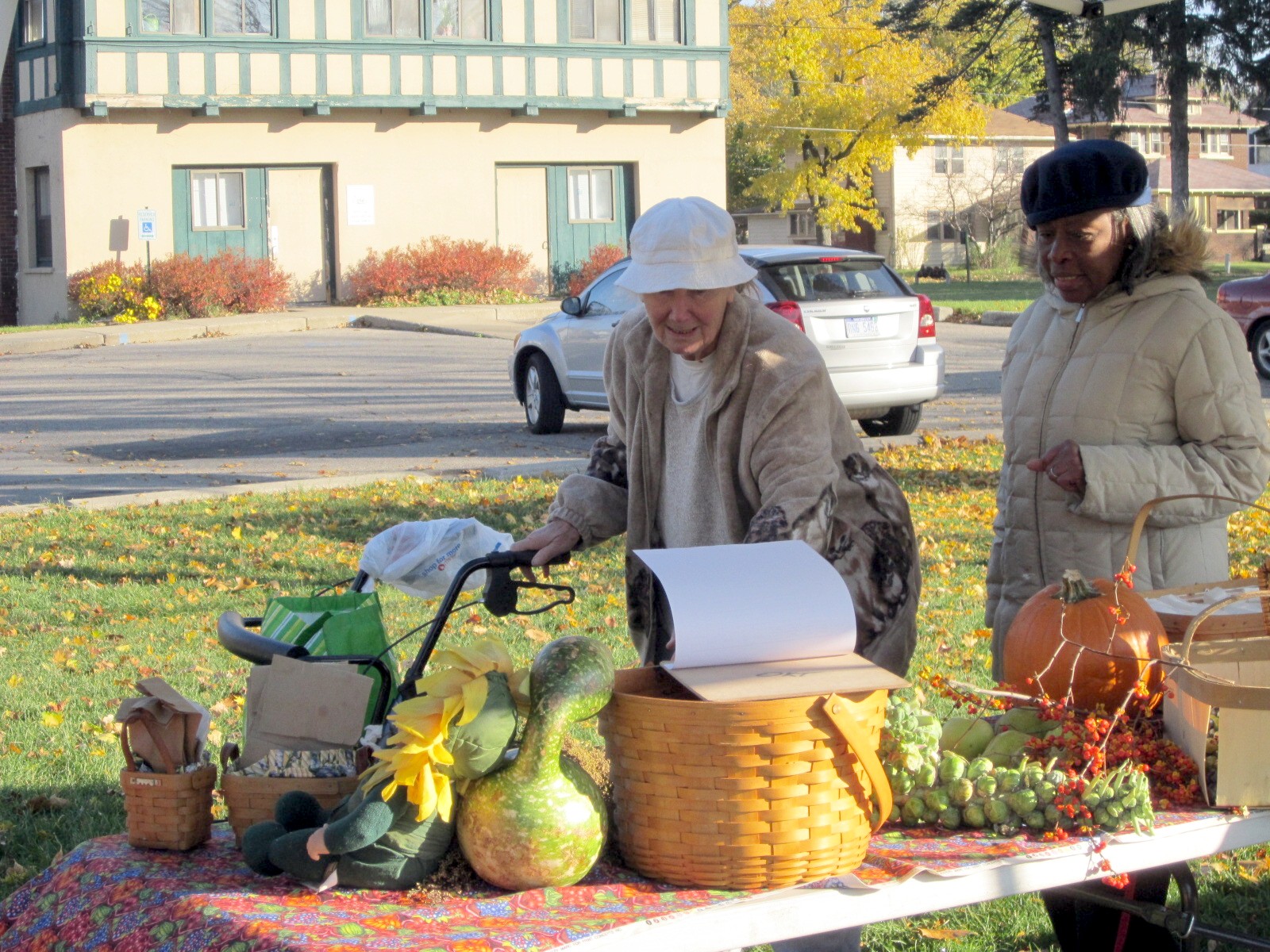
Fall vegetables bountiful at Southeast Area Farmers’ Market

Taking place Friday Nov. 4 and Saturday Nov. 5 at the Southeast Area Farmer’s Market! Register today,OKTable1@gmail.com or 616-570-0218.

Fall is in the air but what is in your pantry? Hopefully, lots of healthy, delicious produce courtesy of autumn’s bountiful harvest. This week at the Southeast Area Farmers’ Market, you can expect to find crisp, delicious Michigan apples—so much tastier than those at the supermarket (Did you know they can be stored up to three years before they get to the store?). You’ll also find tasty pears.

The chemical free produce from the Farmers’ Market may be somewhat smaller than the produce you find at the supermarket, but it has three to four times the nutritional value and no harmful pesticides. Do you know what gives the fruit at the super market its glossy shine? Wax! Wax puts a nice shine on your automobile, but do you really want to eat it?

Winter squash are in season, too: Hubbard, acorn and butternut. These are so easy to prepare. Simply cut in half, scoop out the seeds, place skin-side up on a baking sheet and roast at 350 degrees until tender. Scoop out the tender flesh and mash it with a little butter and Michigan honey—from the Farmers’ Market.

Both market locations still have greens, as well. Did you know that collards and kale can grow through most of the Michigan winter? If you’re interested in growing your own, ask the women from Our Kitchen Table who are managing the Farmers’ Market. They can help you get started.

Both Southeast Area Farmers’ Market locations accept EBT, Double Up Food Bucks, Kent County Health Department coupons and Project Fresh coupons. If you have coupons or Double Up Food Bucks tokens left, use them up before they expire!

Please note! Friday’s market at Gerald R Ford Middle School has moved inside. It’s now open from 5 to 7 p.m. The Garfield Park Saturday market location remains open from 9 a.m. to 1 p.m. as usual. Hope to see you there!

Farm Bill up for reauthorization in 2012 affects you!

Reposted from Food & Water Watch  

The Farm Bill: Better Food Starts Here

Our current food system is broken, and it didn’t happen by accident. Decades of bad food policy designed to benefit agribusinesses and mega-farms, combined with unchecked corporate mergers, have wreaked havoc on family farmers, public health and rural communities.

The Farm Bill is up for reauthorization in 2012, and if we can implement certain changes, we can create a healthy food system for everyone.

What a Fair Farm Bill Means for You

  • Better choices: Breaking up the agribusiness monopolies will bring a more vibrant marketplace.
  • Stable prices: Restoring common-sense practices like agricultural reserves can prevent speculation from driving up food prices.
  • Increased access to healthy food: More families will have easy access to healthy foods they can afford.
  • Stronger local infrastructure: Reversing the consolidation in the food system would allow for more local businesses.

What a Fair Farm Bill Means for Farmers

  • A level playing field: A fair marketplace for small farmers cannot exist without breaking up the agribusiness monopolies.
  • Fair markets: Farm pricing and contract policies can ensure that all producers receive enough from their sales or services to provide a fair return.

What a Fair Farm Bill Means for the Environment

  • Environmental stewardship: Conservation programs can improve biodiversity, minimize pollution, and conserve essential resources.
  • Sustainable farming: Independent farmers will receive support to help them shift to more diversified operations.

Read more about fair farm rules.

Take Action

We can achieve a healthy food system if enough people demand change in the next Farm Bill.

Act now: Sign the petition.

Bicycle Tour of Fruit and Nut Trees a fun and informative ride

Though far from perfect in appearance, apples foraged from untended urban trees have a delightful flavor unmatched by most store-bought fruit.

Last Saturday, a dozen or so folks met in Eastown for OKT’s Bicycle Tour of Fruit and Nut Trees. Sunny skies, comfortable temperatures and a brisk breeze made for a lively, enjoyable ride.

Seasoned cyclist, Josh McBryde, planned the route and led the tour across Wealthy Street and over to Cherry Park. On the way there, tree expert, Laura Cassaletto, pointed out various trees and their edible uses, bringing the group to its first stop alongside an old apple tree, full of ripe fruit, outside of a two-flat apartment house.

After assuring us that she had gotten permission from the property’s owner, Laura invited everyone in the group to pick and enjoy an apple. She mentioned that the tree’s owner had told her that the apples were not good for eating as they had not been sprayed with pesticides. The group broke into laughter. And, with a close eye for worms,we took bites of the “imperfect” fruit. All were amazed at the incredible flavor these small, old fashioned, untended apples offered.

Laura recommended foraging such untended apple trees around the city. She likes to use them for applesauce. When the apples are put through the food mill, it’s easy to pick out any critters that might have eaten their way inside the fruit.

In Cherry Park, the group identified different varieties of nut trees, scavenged nuts from off the ground and even cracked and ate a few. Heading back across the neighborhood, a stop near Diamond and Cherry yielded a look at mulberry trees (already done fruiting) as well as locust trees. Seasoned urban forager, Richa, shared that the spring flowers from the locust tree are delicious. (At the conclusion of the tour, he shared a loaf of his homemade acorn bread).

Crab apples, yes.

Along the route, Laura pointed out that ornamental crab apple trees have edible fruit. She explained that crab apple trees are related to the rose, and like the rose, are edible. High in vitamin C, their edible fruit can be identified by the “crown” at the bottom of the fruit. While fruit with a crown is edible, she warned not to forage white fruit and berries, “White is the color of death.”

She also advised us to try new foraged fruits and nuts in small quantities to see how our own body reacts to it. Because trees, like people, are individuals, the fruits and berries eaten from them have differences in flavor and in how they align with each individual person’s digestive system.

Bittersweet, no.

In Wilcox Park, the group snacked on plump wild grapes and tried edible, though bitter, viburnum berries. We also learned that the colorful bittersweet nearby was just for decoration and not an edible.  The group ended its tour at Aquinas College, where Josh handed out tree identification maps the college provides to visitors. We stopped to gather, crack and snack on beech nuts beneath an elephantine beech tree.

A 16-year-old on the tour remarked, “It was so cool to learn that if I had to, I could get enough to eat from nature.” Cool indeed. Food is growing all around us. Let’s learn to appreciate it!

Urban Foraging Workshop Saturday
This post first appeared on GRIID.org Indy News

Urban Foraging Workshop
10 a.m. to noon
Sat. Sept. 17

Garfield Park,
Madison & Burton SE

Look for the Farmers’ Market Tents!

Our Kitchen Table and The Bloom Collective are sponsoring an Urban Foraging Workshop from 10 a.m. to noon this coming Saturday, Sept. 17, during the Southeast Area Farmers’ Market at Garfield Park.  Just like the grocery stores have helped us forget that food comes from farms, cultivation of domestic crops has helped us forget that many of the native species we see around us (and label as weeds) once were a prize source of both food and medicine.

The Southeast Area Farmers’ Market has already held two presentations with two area master gardeners who shared which common plants growing in our yards, parkways and abandoned lots can be used as food. One of these presenters, OKT’s Yvonne Woodard, who is also the market master for this farmers’ market, will share again this Saturday. In addition, anyone who comes to the workshop with knowledge of foraging will be invited to share their skills with the rest of those attending.

The economic climate continues to push working class people into poverty. In addition, Gov. Snyder’s  so-called “austerity” measures like the 48-month cap on welfare eligibility will push many of our neighbors who are already poor to the point of starvation.  Did you know that on October 1, an estimated 40,000 Michigan residents will be cut from the welfare rolls by this measure? In addition, on average, each of these people support two children in thier households. In other words, an additional 80,00o Michigan children may soon be going hungry.

While organizations like Our Kitchen Table continue the good fight for food justice and food security in our urban neighborhoods, the fight will not be won in time. So, let’s learn how to grow and share our own food and take advantage of the free foods growing all around us.

The South East Area Farmers’ Market is open for the 2011 season!

The South East Area Farmers’ Market is open for the 2011 season!
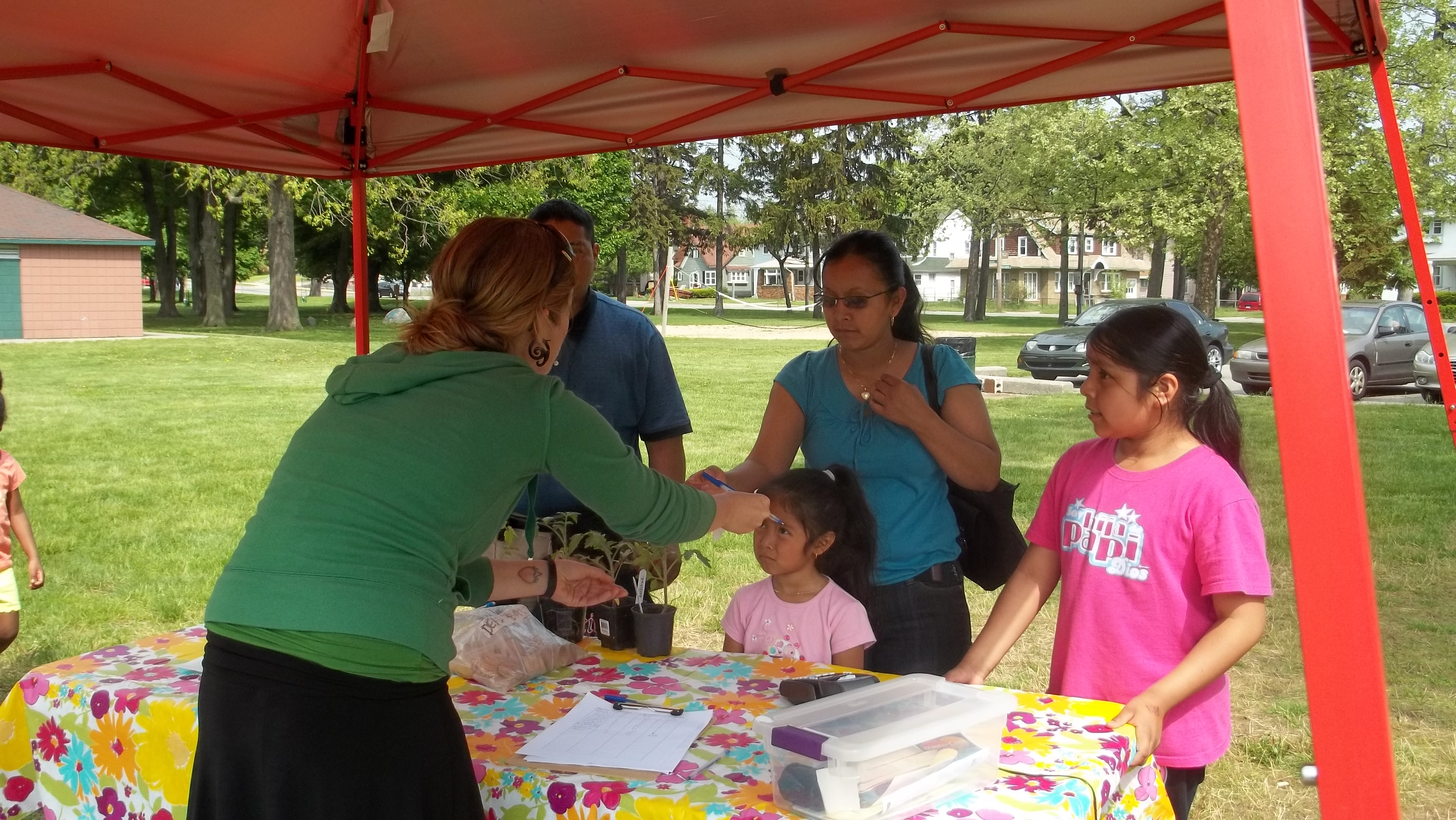
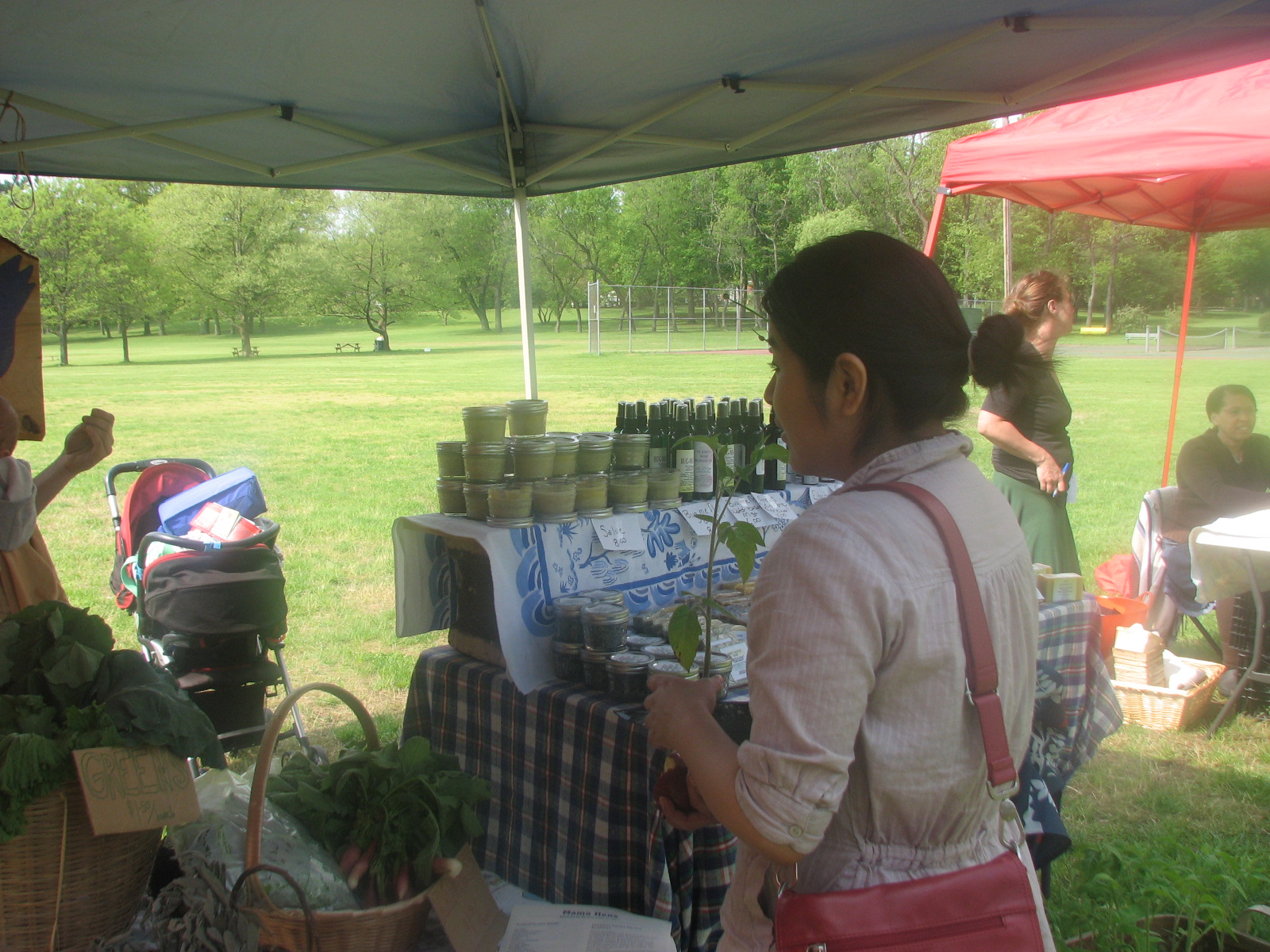
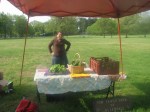
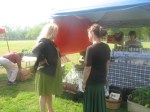
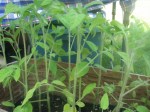
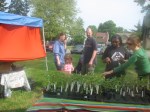
On Wednesday, the South East Area Farmers’ Market began at the Gerald R Ford Middle School from 5pm to 7pm.  Vendors sold herbs, greens, homemade crafts, and vegetable plants!  Community folks danced line dances and it was a festive atmosphere!

Come join us this Wednesday, May 25th, for more transplants for your garden, more spring greens to eat, and more dancing with your neighbors!

Saturday opened the market at Garfield Park from 9am to 1pm.  It was a beautiful day to stroll the park and shop with neighborhood vendors.  There were mustard greens, kale, herbs, lettuce, spinach, and homemade salves, and soaps for sale!  Many plants were donated to neighborhood families!  Join us on June 4th for the second Garfield Park market!

Please check out the “Farmers Market” tap under “Food Diversity” for a full list of farmers market days. or follow this link Farmers Markets
For more pictures please follow this link https://oktjustice.org/2011/05/21/the-southeast-farmers-market-opening-day-pictures/

[The 2011 Southeast Farmers Market is sponsored by a partnership between Greater Grand Rapids Food Systems Council, Kent County Health Department and Our Kitchen Table]

The South East Area Farmers’ Market Opening Day (Pictures)

Gerald R Ford Middle School and Garfield Park Farmers’ Market Opening Day


The Garfield Park Farmers Market will not be open Saturday the 28th due to memorial day.

[The 2011 Southeast Farmers Market is sponsored by a partnership between Greater Grand Rapids Food Systems Council, Kent County Health Department and Our Kitchen Table]