 Reposted from Michigan Environmental Justice Coalition
As we stare down the barrel of the second polar vortex this year, I can’t help but fear the outcome of another bought of record low temps. Put this on top of ecosystem collapse, and rising sea level– I ask myself, what more can we do to dramatically reduce the Greenhouse Gases in the atmosphere to save life as we know it. And with each week I act, I learn new challenges of the democratic system that block, obfuscate, and erode the channels for change at the pace needed to solve this epic disaster. This week DTE Energy was again at the center of a complicated labyrinth of destroying rapid climate solutions.
Few people know what the Michigan Public Service Commission is: a decision-making body at the State, composed of three gubernatorial appointees which establish rates, reliability, and choice for energy consumers. Beyond the statutory requirements of the renewable energy portfolio, they set rates for energy. And right now, DTE Energy is asking the MPSC for a near $900 million rate increase in a deeply problematic case in Lansing. As it’s proposed 1) the rate increase is regressive, so lowest income, lowest use customers will experience the highest rate increase– near 45% in just two years versus 9% of higher energy users; 2) cities will get slammed with a public lighting increase of near 30%; 3) DTE’s infrastructure investments will be concentrated in higher income and growing communities rather than comprehensive replacement of old infrastructure. Ethically, this is totally bankrupt. On all three points it basically says to Michigan’s cities, and to working poor, you should be punished for using less energy, and only wealthier communities deserve newer power infrastructure– even though deaths from down powerlines are higher in low-income communities. You can read between the lines here: expanding investment in wealthier communities has a higher payback, but doesn’t guarantee greater affordability or reliability for aged, low-income communities like Detroit, a classic equation of environmental racism.
And this is the whammy– DTE is stealing dreams of solar generation on homes by lowering the pricing they’ll pay you for generating a kWh of renewable energy, lengthening the payback period, essentially arguing solar producers need to pay rent to use wires we already paid to put up. Add insult to injury, a DTE Energy-backed special interest group called Michigan Energy Promise is spreading falsehoods and misinformation about solar. But guess what– solar could literally save lives. When we get extremely low temperatures like the coming polar vortex, the energy system is working OVERTIME. “Peaker plants” are pumping out the dirtiest energy on high to meet the demand. Peak energy is the most expensive kilowatt on the grid. Remember the emergency alert asking us all to turn the heat down? Arrg matee, batten down the hatches, the system is gonna… blow? Solar energy providers, who have invested above and beyond, are doing a public service to all by taking kilowatts off the overburdened system in extreme energy events without emitting additional nitrous oxides, particulate matter, ozone, or more additional vexing greenhouse gases like carbon dioxide. Right when we should be expanding distributed solar exponentially, adopters of solar are being choked by the invisible hand of DTE, discouraging solar investments during real and serious crises.
How can we stop this huge jaggernaut that’s stomping on poor people and killing solar efforts? Maybe we can request a public hearing from MPSC? Nope. MPSC refused a request to host a local public hearing by Soulardarity, a non-profit in Highland Park [remember the city whose street lights were repossessed by DTE]. Wanna read the case? If you can find the rate case, let me know. If you find it, you might need to get that engineering, or law degree you never got– because the technical arrangement requires an advanced degree to interpret it. The Governor? Well. She doesn’t exactly have jurisdiction over the PSC. I know– we’ll go to the media. Last week environmental justice advocates took to the streets, and Michigan Radio reported on it. If you didn’t catch it, DTE lets ya know that it won’t be definitive, until its definitive– well, then you definitively can’t do anything about it. And then launched a media counter attack. The legislature? Good luck.
Environmental Justice begs us to excoriate the ways in which we can survive and co-create an equitable society– and this is not it. We must create just rates so that average folks afford energy, not punish struggling families for using less with regressive structures; proliferate solar energy on rooftops meaning direct revenue, money, for homes and schools and community centers all over Michigan, not price control and market manipulation; it means comprehensive climate action investment to build new forms of economic and community well-being, jobs, for everyone that doesn’t poison us and destroy the planet; it means creating and maintaining democratic channels for direct participation to develop and implement this vision and not starve it with closed chambers and market mechanisms.
To me the climate crisis is just as much a crisis of democracy because at the end of the day, if climate justice activists don’t have a say in the future, there simply will not be one.
Right now we are building power to lean in on DTE, the MPSC, and keep up with the issues coming up. If you’d like to sign up for the Work for Me, DTE Campaign, click here.

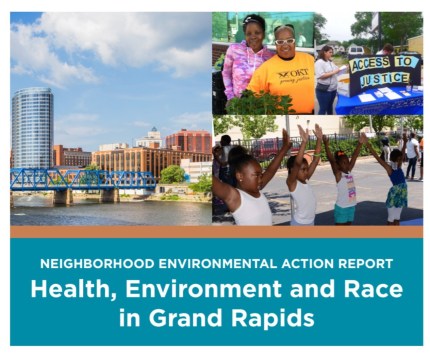 Over the past few years, Our Kitchen Table has joined with other Grand Rapids area agencies and nonprofits to form the Grand Rapids Environmental Justice Collaborative with the goal of developing a comprehensive report on local EJ issues.
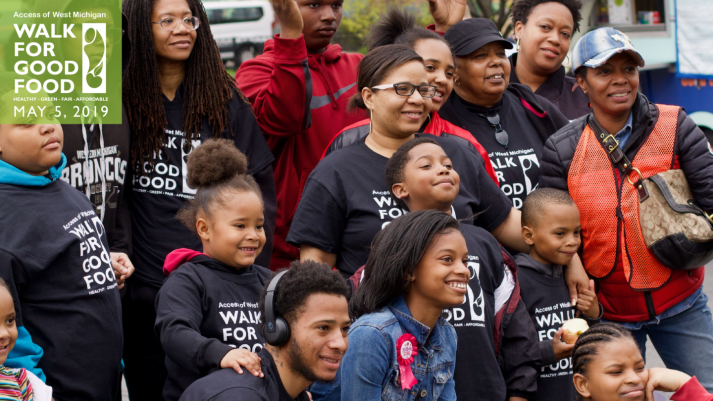 #Walk4GoodFood
 Healthy (provides nourishment and enables people to thrive)
 The work of the recipient organizations ranges from community gardening and urban farming, nutrition programs, food pantries and meal programs, to food justice and community development initiatives. Our collaborative work has a vision of a thriving Good Food system for all people.
 Earlier this week, the
 New City Neighbors
 Our Kitchen Table