This is the twelfth in a series of weekly posts highlighting OKT’s Food Justice series. You can download series handouts here for free.
 When considering intellect, intelligence, IQ or mental health, we seldom make a connection with food. However, a very distinct and strong connection exists – from the womb to the meals we prepare for our elders. Because people of color are more likely to lack access to the foods that build healthy brains and maintain well-functioning psyches, intelligence levels and mental health are another facet of food justice. OKT calls this lack of access “food apartheid.”
Since environmental toxins play a part in diminishing intellect and contributing to mental illness, these are facets of the larger environmental justice conversation.
In the Womb
Studies have shown that pregnant moms need to eat 80 to 100 grams of protein as part of a well-balanced diet to ensure healthy infant outcomes. That well-balanced diet includes foods rich in calcium, healthy fats, fresh fruits and vegetables and 100% whole grains. The Standard American Diet will not satisfy this requirement. The junk food, fast foods and convenience foods prevalent in most income-challenged neighborhoods are even worse. Healthy brain growth especially depends on protein.
Infant mortality rates are double for black babies, compared to white. While the stress of racism plays a huge part in these numbers, under-nutrition during pregnancy is a factor, especially when babies born at term are underweight.
At the Breast … or Bottle
Breastfeeding is the very best food for infants. Among its many benefits, breast milk boosts baby’s intelligence. When the CDC investigated why fewer black women breastfed than white women, they found that the hospitals serving black women during childbirth were less likely to encourage and support breastfeeding. In addition, women in poverty, working one or more low-wage jobs, may not be able to pump milk when they are away from their babies.
 Because breastfeeding moms need to continue the same healthy diet they ate during pregnancy, lack of access to healthy foods continues to be a barrier to infants reaching their full intelligence potential after birth.
The human brain grows the most during pregnancy and the first three years of life. Diets high in fat, sugar, and processed foods during the first three years of life permanently lower children’s IQ. Wilder Research reports, “… nutrition affects students’ thinking skills, behavior, and health, all factors that impact academic performance. Research suggests that diets high in trans and saturated fats can negatively impact learning and memory, nutritional deficiencies early in life can affect the cognitive development of school-aged children, and access to nutrition improves students’ cognition, concentration, and energy levels.”
Baby’s only food during the first year of life should be breastmilk (or formula). Introducing solid foods earlier can lead to obesity, allergies, asthma and digestive difficulties. Breastfeeding until age three or longer is common in many cultures and can help support healthy brain growth. Whatever age babies wean from the breast, it’s important that parents introduce a healthy, whole foods diet. The commercial-baby-food diet (we are brainwashed to believe in) does not meet these needs.
In the Classroom
Research has also established a link between nutrition and behavior. “Access to nutrition, particularly breakfast, can enhance a student’s psychosocial well-being, reduce aggression and school suspensions, and decrease discipline problems “
Harvard studies agree. “Diets high in refined sugars … are harmful to the brain. In addition to worsening your body’s regulation of insulin, they also promote inflammation and oxidative stress. Multiple studies have found a correlation between a diet high in refined sugars and impaired brain function — and even a worsening of symptoms of mood disorders, such as depression.”
As an Adult
“Food is like a pharmaceutical compound that affects the brain,” says UCLA food-brain expert, Fernando Gómez-Pinilla. He reports that junk food and fast food negatively affect the brain’s synapses. This can result in loss of cognitive function (memory loss, brain fog, dementia) and mental illness (depression, schizophrenia, ADD and bi-polar) Gomez-Pinilla goes as far to say, “Evidence indicates that what you eat can affect your grandchildren’s brain molecules and synapses.”
In other words, when an unjust food system prevents a generation from having access to healthy, whole foods, its children and grandchildren have increased risks for lowered cognitive function and mental illness.
Our Elders, Forgetting and Forgotten
Food apartheid inexcusably impacts our elders. When it’s too difficult to prepare meals, junk and convenience foods are too easy an answer. Fixed incomes can result in choosing the least nutritious options available. The food charity that elders access mostly consists of highly processed foods and white grain products. Some are making strides in offering elders healthier meals, for example Meals on Wheels, but what is needed is a food system that makes whole foods accessible to everyone, no matter their income, age or neighborhood.
Only Food Justice can ensure brain equity. When all people have access to healthy whole foods, from cradle to grave, only then can they reach their potentials for intellect and mental health.
 This is the fifth in a series of weekly posts highlighting OKT’s Food Justice series.
  Almost all workers in the food industry earn an unjust wage—from migrant workers and those working in food processing plants to grocery store clerks and people in restaurants, institutional food cafeterias and fast food chains. In both the restaurant and agriculture industries, minimum wage laws do not apply. Migrant workers are at the mercy of whatever farm owners want to pay them; people working for tips in restaurants have a whole different minimum wage standard applied to them.
 When we enter a grocery store, shop at a farmers market, eat at a restaurant or look at food labels, we should ask:
 This is the fourth in a series of weekly posts highlighting OKT’s Food Justice series.
 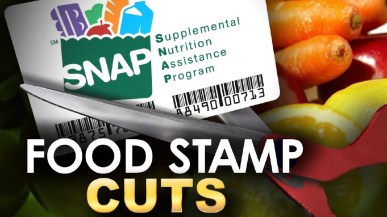 While providing huge subsidies to agribusiness, the 2014 Farm Bill cut $8.6 billion in Food Assistance. During a time when more and more Americans live in poverty and rely on government food assistance programs, Congress decided to drastically cut these funds and give more taxpayer money to large corporations.
 According to Food and Water Watch, water privatization “undermines the human right to water … When private corporations buy or operate public water utilities – is often suggested as a solution to municipal budget problems and aging water systems. Unfortunately, this more often backfires, leaving communities with higher rates, worse service, job losses, and more.”
 In its handouts, OKT often includes the words, “Healthy food is your family’s right.” We also proclaim, “Clean, harmless water is your family’s right.” This right must be taken by
 Our Kitchen Table has developed a series of publications about different facets of Food Justice over the past several years. As our farmers’ market and growing programs are in seasonal hibernation, we will be highlighting the series on a weekly basis here on the website. Today, we will commence with brief definitions of a few Food Justice terms. (By the way, we may be starting up a limited, indoor, winter farmers’ market soon — we will keep you posted!)
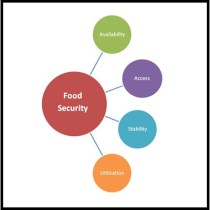 Food Insecurity
 ecosystem. And, grocery stores are not a measure of food security.
 Our Kitchen Table