 This is the tenth in a series of weekly posts highlighting OKT’s Food Justice series. You can download series handouts here for free.
According to the US Department of Agriculture, the number of farmers’ markets in the US increased from 1,700 in 1994 to more than 8,200 in 2014.This increase demonstrates the growing public interest in eating more fresh produce and supporting local growers. Farmers’ markets also provide people an opportunity to have regular interaction with local farmers, develop relationships and have a greater appreciation for what it takes to grow food, especially outside of current agribusiness models.
However, having more farmers’ markets doesn’t necessarily result in a more just food system. In some ways, they can perpetuate the current food system’s
inequalities. For example, a farmers’ market that is part of a larger urban development plan often benefits those with economic and racial privilege. These markets charge more for produce and other food items use public dollars without public input and often contribute to urban gentrification.
When looking at farmers’ markets through a food justice lens, the market should not contribute to further inequity or sustain the current food system, which creates and perpetuates food insecurity. A farmers’ market that practices food justice would deliberately make it a priority to serve the nutritional needs of those most negatively impacted by the current food system. It would target communities of color, working class communities and communities experiencing poverty.
 These communities consist of people receiving government food assistance like SNAP, WIC and the Double Up Food Bucks programs. The food justice movement and public health sectors have been pushing for more food assistance for purchasing fresh produce and even vegetable plants for those who want to grow their own food.
While such programs are subsidized by public money, the dollars spent on government food assistance programs pales in comparison to the public dollars supporting large corporate agribusiness. While neither subsidy is sustainable, Our Kitchen Table supports subsidizing communities experiencing poverty until our food system is truly democratic.
In addition to supporting people experiencing food insecurity, farmers’ markets that practice food justice should also make it a priority to have local growers and vendors who practice ecologically sound growing practices and fair labor practices. A farmers’ market practicing food justice should be transparent about these dynamics and exhibit signage that makes the practice of food justice highly visible.
Last, farmers’ markets should not end up being niche markets, but rather venues for both transforming the current food system and creating new food system models. In addition to providing more fresh food purchasing options, a farmers’ market that practices food justice should also educate the community about the food system and share resources and skills that empower people to collectively become more food independent, for example, cooking resources, food preservation workshops, seed exchanges, information of food policy challenges and even the development of food cooperatives. In other words, a farmers’ market that practices food justice should not only be a means to resist the current agribusiness food model, but also provide a venue for people to create truly democratic food systems that ultimately lead to food sovereignty.
For more information about Our Kitchen Table’s farmers’ market, the Southeast Area Farmers Market, contact SEAFM@OKTjustice.org or on the Southeast Area Farmers Market Facebook page.

 This is the eighth in a series of weekly posts highlighting OKT’s Food Justice series.
 “Wild weather and unpredictable seasons are changing what farmers can grow and is making people hungry. Food prices are going up. Food quality is going down. Soon, climate change will affect what all of us can eat.”
 This is the fifth in a series of weekly posts highlighting OKT’s Food Justice series.
  Almost all workers in the food industry earn an unjust wage—from migrant workers and those working in food processing plants to grocery store clerks and people in restaurants, institutional food cafeterias and fast food chains. In both the restaurant and agriculture industries, minimum wage laws do not apply. Migrant workers are at the mercy of whatever farm owners want to pay them; people working for tips in restaurants have a whole different minimum wage standard applied to them.
 When we enter a grocery store, shop at a farmers market, eat at a restaurant or look at food labels, we should ask:
 This is the fourth in a series of weekly posts highlighting OKT’s Food Justice series.
 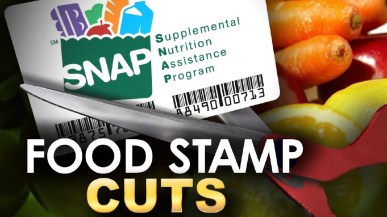 While providing huge subsidies to agribusiness, the 2014 Farm Bill cut $8.6 billion in Food Assistance. During a time when more and more Americans live in poverty and rely on government food assistance programs, Congress decided to drastically cut these funds and give more taxpayer money to large corporations.
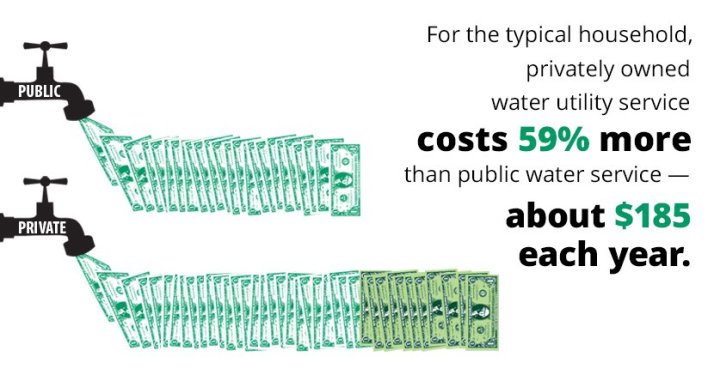 According to Food and Water Watch, water privatization “undermines the human right to water … When private corporations buy or operate public water utilities – is often suggested as a solution to municipal budget problems and aging water systems. Unfortunately, this more often backfires, leaving communities with higher rates, worse service, job losses, and more.”
 In its handouts, OKT often includes the words, “Healthy food is your family’s right.” We also proclaim, “Clean, harmless water is your family’s right.” This right must be taken by
 Our Kitchen Table has developed a series of publications about different facets of Food Justice over the past several years. As our farmers’ market and growing programs are in seasonal hibernation, we will be highlighting the series on a weekly basis here on the website. Today, we will commence with brief definitions of a few Food Justice terms. (By the way, we may be starting up a limited, indoor, winter farmers’ market soon — we will keep you posted!)
 Food Insecurity
 ecosystem. And, grocery stores are not a measure of food security.
 This fall, Our Kitchen Table has had the opportunity to attend and four different Michigan conferences relative to its work.
 Our Kitchen Table