Having a Blue Christmas?

We here at Our Kitchen Table want to let you know that our hearts are with you during this 2020 holiday season. For some of us, the holidays will still hold opportunity for fun and fellowship with loved ones, though perhaps fewer of them than in years past.

For others of us, grief, loneliness, and financial difficulties may be fueling anxiety and depression.

NAMI-Michigan has created a wonderful free guide to help us cope with life during COVID-19 that you may find helpful these next few weeks. You can download or view it here: The Effects of COVID-19 related Social Isolation on the Mental Health of Racialized Communities.

The guide shares, “To preserve mental health, it is essential to maintain a sense of purpose and belonging. It is also important to find inventive ways to connect with others virtually through Facetime, Zoom, Skype or WhatsApp. Do this by maintaining engagement with faith and cultural institutions in a virtual capacity for social support. Additionally, to maintain connectedness with family cook dinner in your respective kitchens and have a remote dinner together while taking turns telling your favorite family story and reminiscing about past events.

Engage in Dr. Sue Varma’s 4 Ms of Mental Health: movement (exercising), meaningful engagement (connecting with other people), mastery (being creative), and mindfulness (deep breathing and being aware). Practicing this formula can bring peace of mind during stressful times. Lastly, make plans and remain hopeful because learning to cope with pandemic stress in a healthy way not only makes you stronger, but makes our community stronger.

Browse the NAMI-Michigan website for even more mental health resources.

GRABB sponsors District 2012 Digital Market


Are you ready to Shop? Grand Rapids Area Black Businesses (GRABB) is excited to announce the District 2012 Digital Market.! Now you can shop local from the comfort of your home or office. Join them for a live shopping event featuring a variety of Black businesses.

2020 has had a huge negative impact of Black businesses. It’s been reported that 40% of Black businesses nationally have closed due to the economic downturn caused by Covid-19. This is an opportunity for our community to support and patronize Black businesses safely while also promoting economic equity.

District 2012 Digital Market will feature an exciting and diverse range of local Black businesses from artisan candles and soap, to fresh baked goods, apparel, handmade wares and much more.

This is a Digital Market with Live Video vendor booths where business owners and shoppers can interact through video and/or chat to being a personal feel to virtual shopping.
To Attend RSVP Here

Virtual Vendors Including:

  • Basic Bee – a full-fledged store stocked with multiple brands you can’t find anywhere else in West Michigan.
  • Hustle Pray Eat – A quality clothing brand that encourages Working Hard and Keeping God First.
  • Let’s Float – A holistic goods brand, made from completely natural ingredients.
  • IZB Naturals – A beauty skin care line increasing the awareness of living a natural lifestyle.
  • Pixie Kidz Kloset – A mobile children’s boutique located in West Michigan featuring apparel and accessories for kids everywhere.
  • Wicks Candles & Co. – Setting moods through uniquely labeled candles.
  • Nature’s Drizzle – We provide staple products that can be used on the entire family for healthy hair and skin.
  • South East Market – Grocery store and food hub.
  • Five14 Candles – A handmade soy candle company that provides strong fragrances that you love with inspirational designs
  • Mel Styles – A men’s shop for well-tailored, affordable custom fitted suits.
  • Your Pretty Pennies – a Financial Success Coach and Lifestyle Designer who created The Ultimate Financial Planner.

Food Is the Pathway to Peace: World Food Programme Wins Nobel Peace Prize & Warns of Hunger Pandemic

Reposted from Democracy Now!

The World Food Programme, the world’s largest humanitarian organization dealing with hunger and food security, accepted the Nobel Peace Prize today, with its executive director David Beasley warning that the combination of conflict, climate crisis and COVID-19 could push 270 million people to the brink of starvation. In his acceptance speech, Beasley said, “Because of so many wars, climate change, the widespread use of hunger as a political and military weapon, and a global health pandemic that makes all of that exponentially worse, 270 million people are marching toward starvation. Failure to address their needs will cause a hunger pandemic which will dwarf the impact of COVID.”


Transcript

This is a rush transcript. Copy may not be in its final form.

AMY GOODMAN: Just before our live broadcast today, the World Food Programme received the Nobel Peace Prize in an online ceremony, due to COVID-19 restrictions, for what the Nobel Committee described as “its efforts to combat hunger, for its contribution to bettering conditions for peace in conflict-affected areas and for acting as a driving force in efforts to prevent the use of hunger as a weapon of war and conflict,” unquote.

The World Food Programme is the world’s largest humanitarian organization dealing with hunger and food security. It’s now warning the combination of conflict, climate crisis and COVID-19 could push 270 million people to the brink of starvation.

The executive director, the former South Carolina Governor David Beasley, accepted this year’s Nobel Peace Prize award on behalf of the organization from its headquarters in Rome.

DAVID BEASLEY: On behalf of the secretary-general of the United Nations, António Guterres, our board, our sister agencies, our incredible partners and donors, and on behalf of 19,000 peacemakers at the World Food Programme, including those who came before us and especially those who died in the line of duty and their families who carry on, and on behalf of the 100 million people we serve, to the Norwegian Nobel Committee, thank you for this great honor.

Also, thank you for acknowledging our work of using food to combat hunger, to mitigate against destabilization of nations, to prevent mass migration, to end conflict and to create stability and peace. We believe food is the pathway to peace.

I wish today that I could speak of how, working together, we could end hunger for all the 690 million people who go to bed hungry every night, but today we have a crisis at hand. This Nobel Peace Prize is more than a thank you; it is a call to action. Because of so many wars, climate change, the widespread use of hunger as a political and military weapon, and a global health pandemic that makes all of that exponentially worse, 270 million people are marching toward starvation. Failure to address their needs will cause a hunger pandemic which will dwarf the impact of COVID. And if that’s not bad enough, out of that 270 million, 30 million depend on us 100% for their survival. How will humanity respond?

What tears me up inside is this. This coming year, millions and millions and millions of my equals, my neighbors, your neighbors, are marching to the brink of starvation. We stand at what may be the most ironic moment in modern history. On the one hand, after a century of massive strides in eliminating extreme poverty, today those 200 million of our neighbors are on the brink of starvation. That’s more than the entire population of Western Europe. On the other hand, there is $400 trillion of wealth in our world today. Even at the height of the COVID pandemic, in just 90 days, an additional [$2.7] trillion of wealth was created. And we only need $5 billion to save 30 million lives from famine. What am I missing here?

A lot of my friends and leaders around the world have said to me, “You’ve got the greatest job in the world, saving the lives of millions of people.” Well, here’s what I tell them: I don’t go to bed at night thinking about the children we saved; I go to bed weeping over the children we could not save. And when we don’t have enough money nor the access we need, we have to decide which children eat and which children do not eat, which children live, which children die. How would you like that job? Please, don’t ask us to choose who lives and who dies.

In the spirit of Alfred Nobel, as inscribed on this medal, “peace and brotherhood,” let’s feed them all. Food is the pathway to peace.

AMY GOODMAN: “Food is the pathway to peace.” That’s World Food Programme executive director David Beasley accepting this year’s Nobel Peace Prize award on behalf of the organization from its headquarters in Rome, on today, International Human Rights Day.

When we come back, we look at the hunger crisis with Ricardo Salvador of the Union of Concerned Scientists. We’ll also ask him about President-elect Biden’s pick to head the U.S. Department of Agriculture, which could play a key role in feeding millions of Americans facing food insecurity during the pandemic. And then we’ll look at the crisis in Ethiopia. Stay with us.

[break]

AMY GOODMAN: Richard Fariña’s “Birmingham Sunday,” performed by the University of California Riverside Chamber Singers, arranged for chorus by Gene Glickman. Lifelong activist and music professor, Gene passed away last weekend at the age of 86.The original content of this program is licensed under a Creative Commons Attribution-Noncommercial-No Derivative Works 3.0 United States License. Please attribute legal copies of this work to democracynow.org. Some of the work(s) that this program incorporates, however, may be separately licensed. For further information or additional permissions, contact us.

OKT’s Ms. Yvonne Woodard featured in news story

As awareness of racism’s role in infant mortality grows,
Michigan takes action
Reposted from SecondWave Media
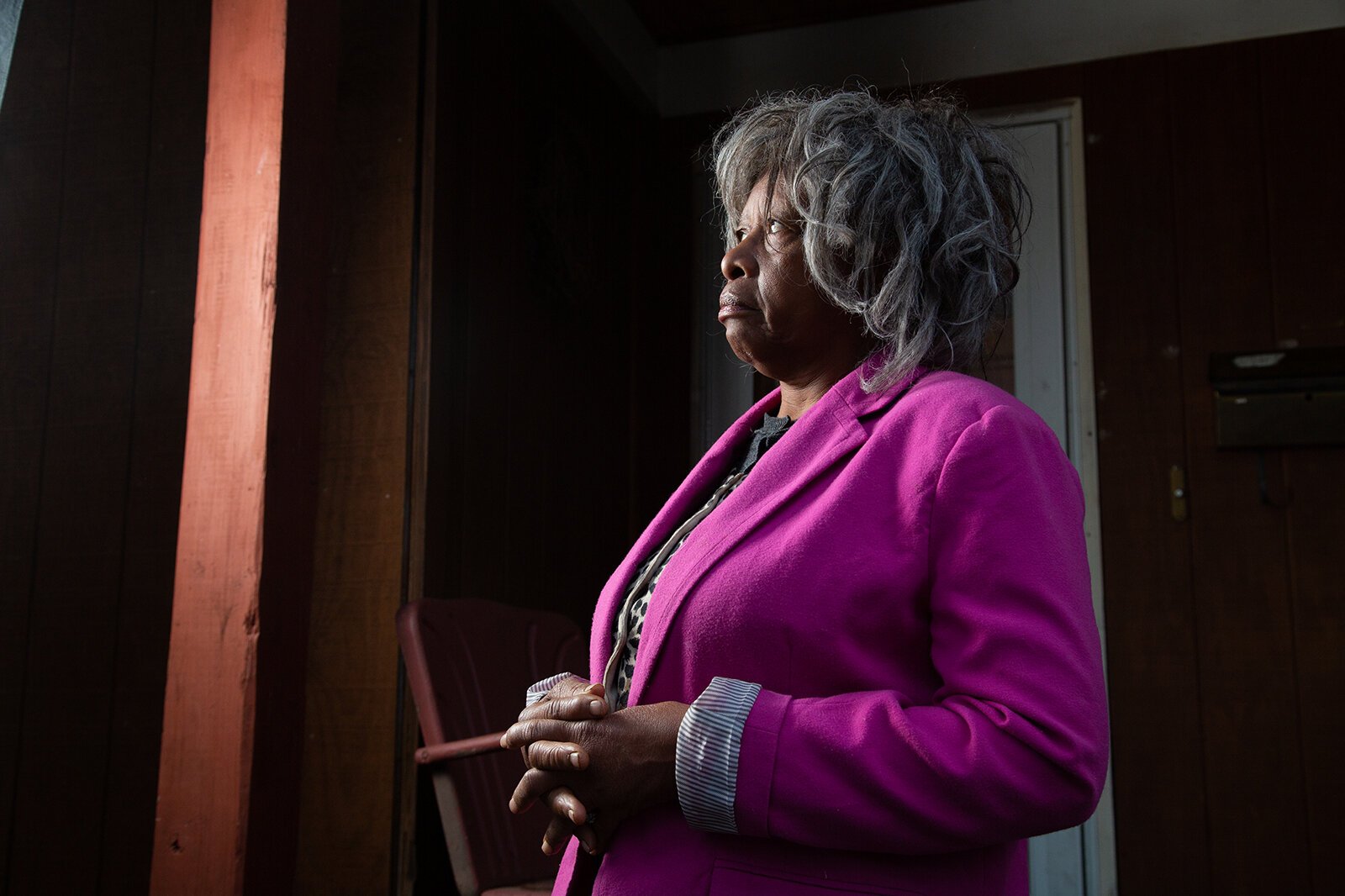
Grand Rapids resident Yvonne Woodard has had several low birth weight children and grandchildren
This article is part of State of Health, a series about how Michigan communities are rising to address health challenges. It is made possible with funding from the Michigan Health Endowment Fund.

For Black infants, racism’s impacts begin at birth – and may be deadly.
 
In 2018 in Michigan, more than three times as many Black babies died before their first birthday as white babies. Black mothers fare even worse, with maternal mortality rates that are 4.5 times higher than non-Hispanic white women. An underlying factor in Black infant mortality is low birth weight (LBW). When LBW babies survive, they face a host of medical problems that often have lifelong consequences.

“When we take a long view, maternal and infant mortality across the U.S. has been declining but it is still an issue when the U.S. is compared to other wealthy nations. We are not doing as well,” says Amber Bellazaire, policy analyst with the Michigan League for Public Policy (MLPP) and author of its report, “Thriving babies start with strong moms: Right Start 2020.” “… When we drill down further, we see those disparities in racial outcomes.”

“Racism is oftentimes an underlying value of the disparities seen,” adds Dawn Shanafelt, director of Maternal and Infant Health at the Michigan Department of Health and Human Services (MDHHS). “We have systems of care that have been built in this society, which is plagued with structural, systemic racism. The system for medical care continues to perpetuate these. It’s been evident in the experiences that have been published by families receiving maternal care. The bias is very clear.”

However, the link between racism and health impacts for Black babies is becoming increasingly better understood and acknowledged – and practitioners across Michigan are coming together to address it.
 The “weathering” effect of racism
 As a Black mother and grandmother, Grand Rapids resident Yvonne Woodard has experienced firsthand the way racial disparities have affected her children and grandchildren’s health. Her first baby weighed five pounds, seven ounces. Her fifth and last weighed four pounds, eight ounces.
 “They all came to term. My first was overdue,” she says. “They just kept getting smaller.”
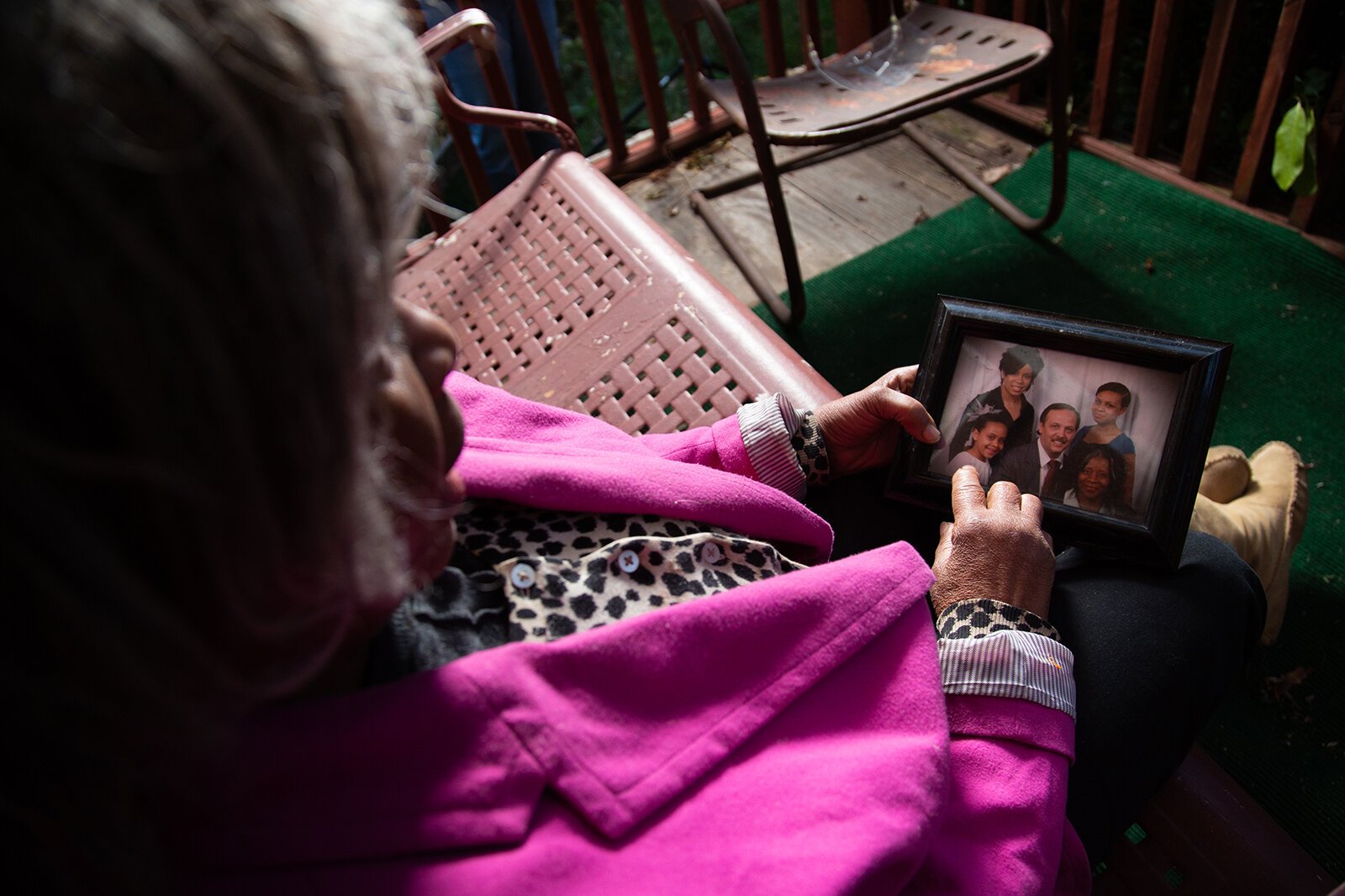
Yvonne Woodard holds a family photo.Woodard’s first grandson weighed one pound, eight ounces. Now nine years old, he has just learned how to say “mama.” Woodard’s granddaughters weighed three and four pounds.
 “It’s not a good feeling,” she says. “A doctor had told me, ‘It’s because you are African-American and it’s in your family.’ I thought, ‘I am going to be sick because of my race and background?’ It doesn’t make sense that it’s hereditary.”

 Woodard’s experience reflects the results of “weathering.” As retold in Bellazaire’s report, University of Michigan professor and researcher Arline Geronimus found that exposure to chronic stress — like the stresses of facing racial discrimination day after day – leads to early health deterioration.

 “Continual attempts to cope with cumulative stress — not just one negative experience but a combination over the life course — leads to a high allostatic load or ‘wear and tear’ on the body,” Bellazaire wrote in the MLPP report. “This wear and tear leads to racial health disparities across a range of medical conditions, including disadvantages in pregnancy and childbirth.”

 As a woman who has deeply researched her own medical conditions, Woodard agrees. “Stress contributes a lot,” she says. “Your nervous system actually has a memory.”

 Geronimus’ research found that in the U.S., non-Hispanic Black women have the highest incidence of weathering. While Black women moving to the U.S. more recently have outcomes similar to white women, those who have lived here all of their lives fare the worst, no matter how much money they have or how advanced their education.

 “There are many factors that interact and inform pregnancy-related outcomes. Racial disparity and bias is one,” Bellazaire says. “This is borne out in evidence, not just in what people feel, anecdotes, or opinions. Consistent research suggests that when we hold things the same, education, socioeconomic status, and healthy behaviors, we continue to see these disparities by race.”

 When health care systems operate with racial biases, whether they are recognized or not, that stress can be intensified. Practitioners may assume that Black women have Medicaid insurance coverage, are single mothers, lack education, or are using illegal drugs. According to a 2019 American Progress report, the intersectionality of racism and sexism often results in women of color experiencing bias and discrimination in health care settings, leaving them to feel invisible or unheard when they ask their medical providers for help or try to communicate their symptoms.

 “When I had the last baby, I moved from New York to Virginia. I told the new doctor what’s going to happen … and of course he didn’t believe me,” Woodard says. “I was female and Black. He didn’t believe that I know my own body.”

 “If you do not have access to respectful and responsive care, your health is going to be affected,” Bellazaire adds. “It’s as simple as if you feel unsupported or unheard, you may be less likely to receive care. We know that not receiving consistent prenatal care certainly affects Michigan’s outcomes. We want to make sure we are encouraging respectful, responsive care for all Michigan women if we care to improve outcomes.”

 Respect and response
 Although the statistics on racial disparities in infant health are disheartening, awareness of the issue is growing and Michigan is taking steps to address it. Michigan Gov. Gretchen Whitmer’s proposed expansion of Michigan’s Healthy Moms Healthy Babies program shines a spotlight on racial maternal-infant health disparities and establishes a plan to decrease them. The plan states, “As a part of comprehensive health care for women we will ask a woman what she wants, ensure she can get it in one visit, and provide coverage for it.”

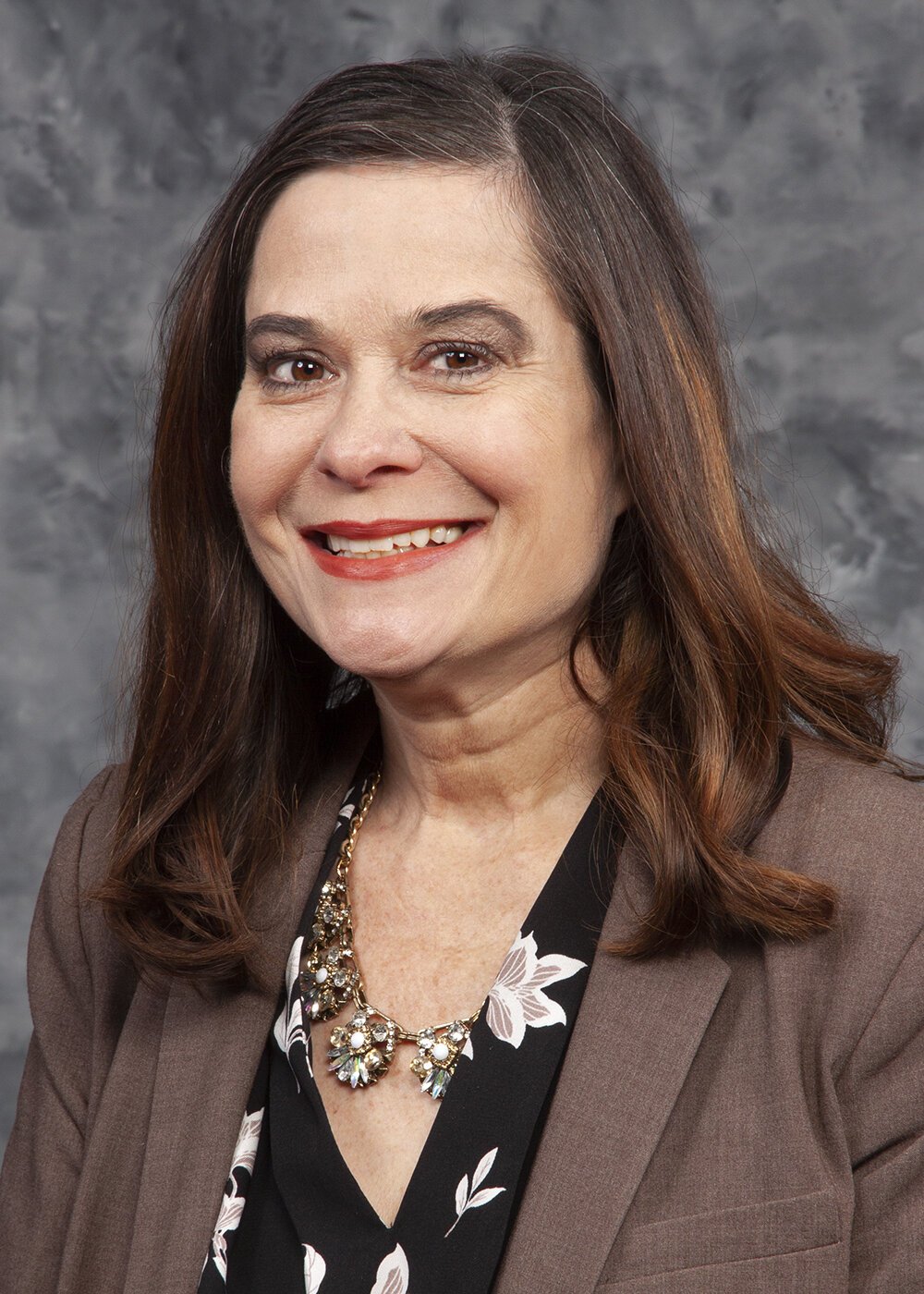
Dawn Shanafelt.In developing the plan, MDHHS staff met with residents across the state in town hall-style meetings to learn about their experiences, needs, and suggestions.
 “I think we are transforming the way we are doing things,” Shanafelt says. “We made it clear that we don’t just want the state to come by and do its thing. We want open communication. We had our team of epidemiologists be a part of meetings so we could share data with communities and really show that we are invested in a partnership.”

 First and foremost, Healthy Moms Healthy Babies expands health care coverage for low-income new moms to a full year after giving birth. The plan has established nine Regional Perinatal Quality Collaboratives (RPQCs) comprised of health care professionals, community partners, families, faith-based organizations, Great Start Collaboratives, home visiting agencies, and others who will focus on improving birth outcomes through quality improvement projects tailored to the strengths and challenges of each region.

 Moving the first postpartum health care visit to within three weeks of birth and adding a comprehensive visit within 12 weeks will better support new mothers with postpartum depression and anxiety, breastfeeding challenges, or substance use disorders. Training in implicit bias will teach health care providers to better listen to women of color. Proven effective, home visiting programs will support women and babies in achieving better health while sharing information that will help them and their partners recognize developmental milestones, gain parenting skills, and access resources for housing, food security, or family planning.

 “Really, what Healthy Moms Healthy Babies does is improve systems so we have sustainable change, [with the goal of] zero preventable deaths and zero disparities,” Shanafelt says. “Whether you live in Detroit or Traverse City, we want you to have the best possible chance of having a healthy pregnancy and healthy baby wherever you deliver.”
 While racial disparities in maternal and infant mortality remain a problem, Michigan is actively charting paths towards health equity — with an emphasis on new moms and their babies. But as Woodard emphasizes, the long-term answer will go beyond policy change.
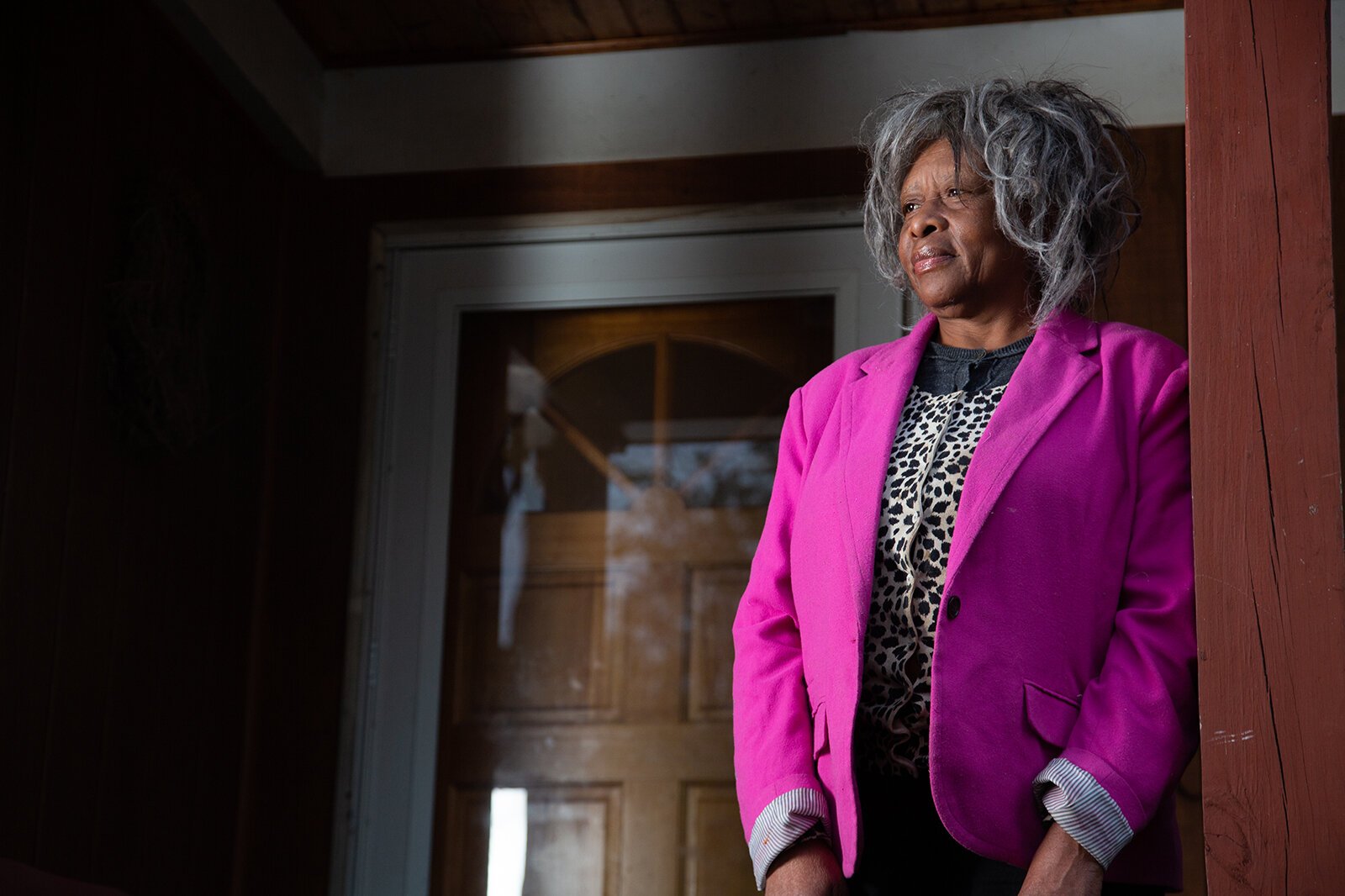
Yvonne Woodard.“Peoples’ hearts have to change,” she says. “… We Black women are no different [from white women]. The parts of our body are in the same place. It’s about domination. One day, people will realize this. One day, it’s going to be so much better.”

 Yvonne Woodard photos by Kristina Bird. All other photos courtesy of the subjects.
  

Nestle gets richer while Michigan waits for better water protections

House Bills 5290, 5291 and 5292 introduced almost a year ago languish awaiting a hearing

While water shut-offs and lead poisoning still threaten Michigan’s vulnerable citizens, late last week, the Department of Environment, Great Lakes and Energy (EGLE) dismissed a challenge to Nestle Waters North America’s 2018 permit that allows the multinational corporation to extract Michigan’s groundwater at an extraordinarily minimal cost. Under the current Safe Drinking Water Act, EGLE is authorized to issue permits for water extraction, but may not charge a fee for groundwater extracted for bottled water.

In late 2019, state Reps. Rachel Hood (D-Grand Rapids), Yousef Rabhi (D-Ann Arbor) and Laurie Pohutsky (D-Livonia) introduced legislation that would explicitly include all waters of the state in the public trust, expand the Department of Natural Resource’s authority to manage Michigan’s water supplies, and remove the small-container exemption to the prohibition on diverting water from the Great Lakes that allows for Nestle’s operations.

“Tomorrow will mark exactly 50 weeks since my colleagues and I introduced legislation to secure and protect Michigan’s water resources,” said Hood. “While the decision that EGLE reached in this challenge is no surprise, the refusal by the legislative Republican majority to give this package of bills a hearing in committee is both shameful and disappointing. Over 80,000 Michigan citizens have documented their concerns about Michigan water resource give-aways to benefit the shareholders of an international corporation. The citizens of Michigan have been waiting for years for legislative action to stop this foolish ‘blue light special’, allowing corporations to privatize our state’s greatest natural resource, freshwater. This has been an issue in our state for far too long, and we must act quickly to enact policies that protect Michigan’s natural resources and secure the rights of all Michiganders.”

House Bills 5290, 5291 and 5292 were introduced on Dec. 10, 2019, and have been awaiting a hearing in the House Natural Resources Committee since that time.

Read OKT’s take on Water Justice here.

MiBlues Perspectives features OKT

Grant Funding Empowers Expanded Food Justice Efforts in Grand Rapids’ Neighborhoods  

One of our funders, Blue Cross Blue Shield of Michigan Foundation, shared this post about OKT.

For some Grand Rapids residents, growing a garden doesn’t just mean a bumper crop of tomatoes and greens at harvest time, it means taking back control of what’s on the dinner table.  

Since 2003, Our Kitchen Table has been empowering families in four Grand Rapids neighborhoods – Garfield Park, Southtown, Eastown and Baxter – to grow their own food. The organization formed to address high levels of lead in the area. Homes in the neighborhoods sit on land previously used for farming, with pesticides leaving concentrated levels of lead in the soil. Increased consumption of fruits and vegetables has been shown to counteract the effects of lead.  

The organization’s mission today includes addressing food insecurity, food justice, nutrition and oral health among women and their families through gardening and services supporting health.  

PANDEMIC DRIVES RENEWED INTEREST IN GARDENING 

Demand for Our Kitchen Table’s services has grown during the COVID-19 pandemic, said executive director Lisa Oliver-King. With families stuck at home and looking for ways to improve their health, Oliver-King said the number of households the organization served over the summer through a container gardening program nearly doubled.  

A $34,000 grant from the Blue Cross Blue Shield of Michigan Foundation will help Our Kitchen Table expand peer educator training, which will further help the organization keep up with increased demand. Oliver-King said empowering families with knowledge is a step toward food justice for underserved areas.       

“The closer you are to your food in its natural state, the more nutritious it is,” she said. “The closer you are to your food, the more control you have over it.”  

EDUCATION INSPIRES A HEALTHY CONNECTION TO FOOD 

Through Our Kitchen Table’s Educate to Elevate programming, peer educators help families learn to grow their own nutritious foods and cook with them. They also show healthier ways to cook favorite dishes and introduce new produce to families so they can expand their palates and preferences for healthy foods. Peer educators also help expectant moms understand the relationship the food they eat has on the health of their growing baby. Greens with calcium can help babies’ bones grow strong, for example.  

Della Levi started growing veggies and herbs in small pots in 2018, inspired by Our Kitchen Table’s Program for Growth, which partners with local schools to teach children about gardening and where food comes from. Levi’s efforts expanded to raised beds in 2019 and designated garden space in 2020 with more raised beds.  

“Growing your own produce is magical,” Levi said. “Not only does food taste better, but it also looks better.”  

Her intense interest in growing her own food is rooted in heritage as well. “The other reason why I grow produce is to pay homage to my ancestors and elders. Black farmers were instrumental in the freedom movement for African Americans in America,” Levi explained. “I have pledged to give away produce from my garden every season to show gratitude to the ancestors and elders.”   

Oliver-King said stories like Levi’s are the reason Our Kitchen Table exists and she hopes to inspire more women and families passionate about home-grown food so they too can take charge of their own health and that of their families.   

“The work that Our Kitchen Table is doing in Grand Rapids is helping transform the relationship families have with their food, which will ripple through generations and lead to better health outcomes,” said Audrey Harvey, executive director and CEO, Blue Cross Blue Shield of Michigan Foundation. “We’re proud to support efforts that are addressing food insecurity, food justice and providing families the education they need to increase their consumption of healthy foods.”  

Michigans’ for-profit colleges target low income students, fail to provide graduates high-quality outcomes

New report shows many for-profit colleges use deceptive practices to recruit students in order to gain access to federal aid

For-profit colleges in Michigan are overpriced, under-regulated and target students who have low incomes, according to a new report from the Michigan League for Public Policy. The report, For-profit colleges in Michigan: Path forward or dead end?, shows that most for-profit colleges in the state—there were 77 of them in 2018—cost more money than traditional public schools and don’t provide opportunities or degree value that aligns with that high price tag. The schools target students with low incomes, Black and Latinx students and veterans largely because those students are more likely to receive federal aid like Pell grants.

“We see predatory behavior when it comes to the way these for-profit institutions advertise. They’re aggressively recruiting folks earning low wages, nontraditional students trying to raise a family, our nation’s veterans, and Black and Latinx students. In fact, nearly three-quarters of students in for-profit schools in the United States had an income of $24,000 or less in 2016. Meanwhile, the students are graduating with massive debt and lower employment rates than their counterparts at traditional public and nonprofit private schools,” said Gilda Z. Jacobs, President and CEO of the Michigan League for Public Policy.

All told, Black students are overrepresented in for-profit schools when compared to the overall population of potential Black students in the state. In 2018, on average 30.6% of the student body at a Michigan for-profit school was Black. This percentage of Black enrollment was at least 20 points greater than that in other

types of institutions in the state. Systemic inequities in postsecondary education by race and targeted, aggressive marketing strategies likely compound, creating overrepresentation of Black students enrolled in for-profit institutions in the state.

Eighty-three percent of graduates from for-profit colleges in the U.S. took out student loans and graduated with an average of $39,000 in debt. That’s 41% higher than graduates from other types of four-year colleges. What’s more, 30% of students at for-profit colleges in Michigan defaulted on their federal student loans, compared with just 4% of students at public colleges. 


“By definition, for-profit colleges aim to make money for investors. So what incentive do they have to keep tuition and other costs down? They’re not only shortchanging students, they’re exploiting them in order to benefit from federal aid like Pell Grants.The influx of students receiving federal aid means taxpayer money is flowing right into these schools and helping them profit. These for-profit schools prey on students who are in need, promising a way forward to the ‘American Dream,’ but they’re not delivering on that promise,” Gilda Z. Jacobs said.

For-profit college recruiters have used misleading claims about cost, time commitment and job placement in order to attract students. This, along with other deceptive practices, has led to several for-profit colleges and their parent companies being prosecuted for consumer protection violations and other protection violations. Attorney General Dana Nessel has signed Michigan on to several multi-state lawsuits against for-profit educational companies that defrauded students.

The League recommends a variety of solutions that state and federal policymakers can adopt, including requiring institutions to disclose all federal funding, encouraging high school counseling offices to provide materials on how to weigh costs and benefits when choosing a college, and restoring student borrower protections that were enacted during the Obama administration and eliminated by the Trump administration. 

The higher education needs of all Michiganders, especially students of color and those with lower incomes, continues to be a focus of the League’s policy work. A report released in May 2020, Expanding the dream: Helping Michigan reach racial equity in Bachelor’s degree completion, found that Michigan ranks third-worst in the nation for the number of bachelor degrees earned by Black students. Another recent report looked at COVID-19’s impact on college students and their basic needs.

The Michigan League for Public Policy, www.mlpp.org, is a nonprofit policy institute focused on economic opportunity for all. It is the only state-level organization that addresses poverty in a comprehensive way.